Words have been raw material all my professional life as a journalist and editor. The role of journalist-as-gatekeeper of information – or ‘news’ – has changed in recent years to become more information verifier, amid the cacophony of unmediated digital noise. The word-based work I have made over the years is in response to this forced engagement with messaging – from the fairly anodyne (product press releases, say) to the weaponised vocabularies used to intimidate and attack individuals and capture policy – and all points in between.
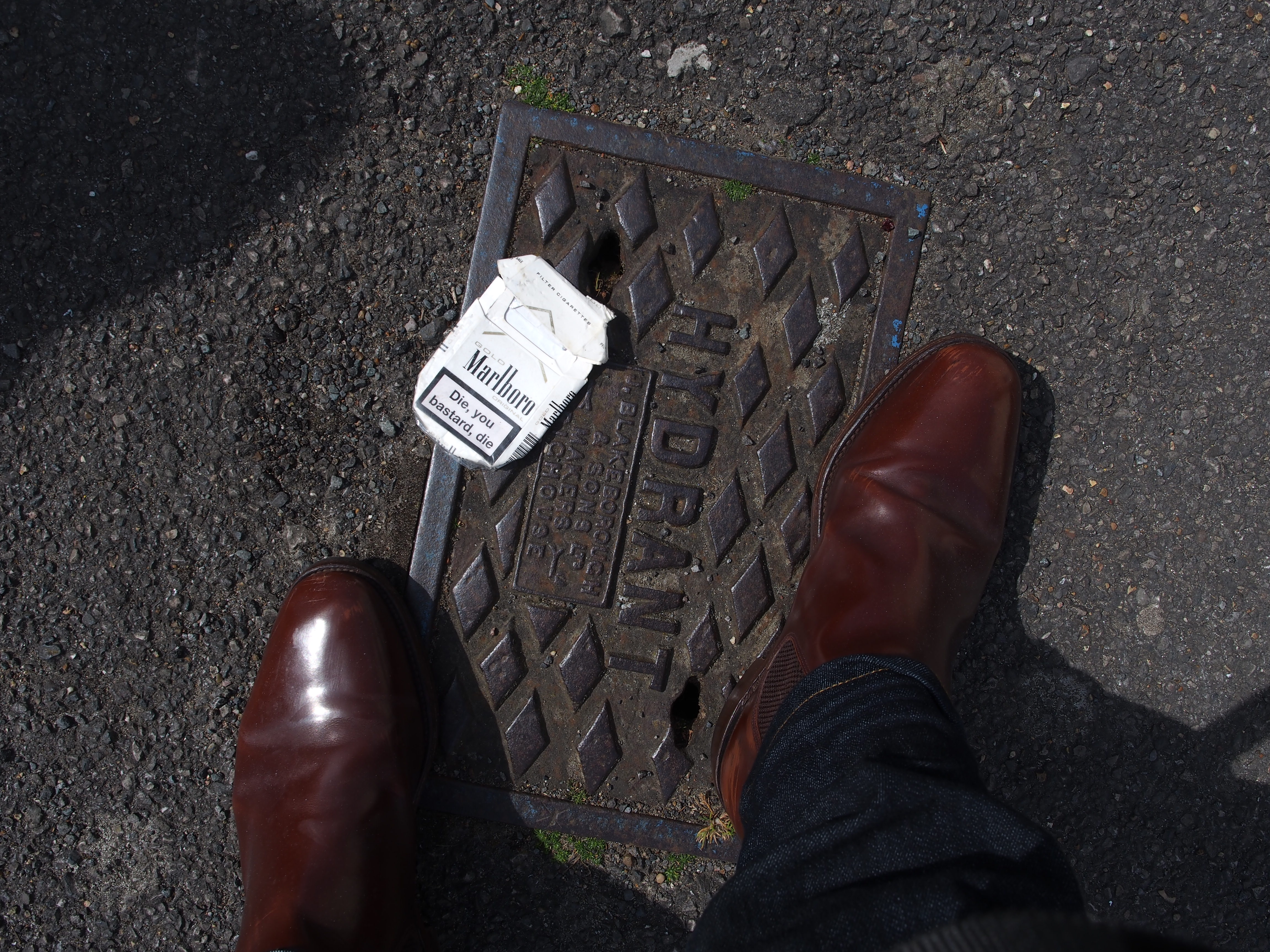
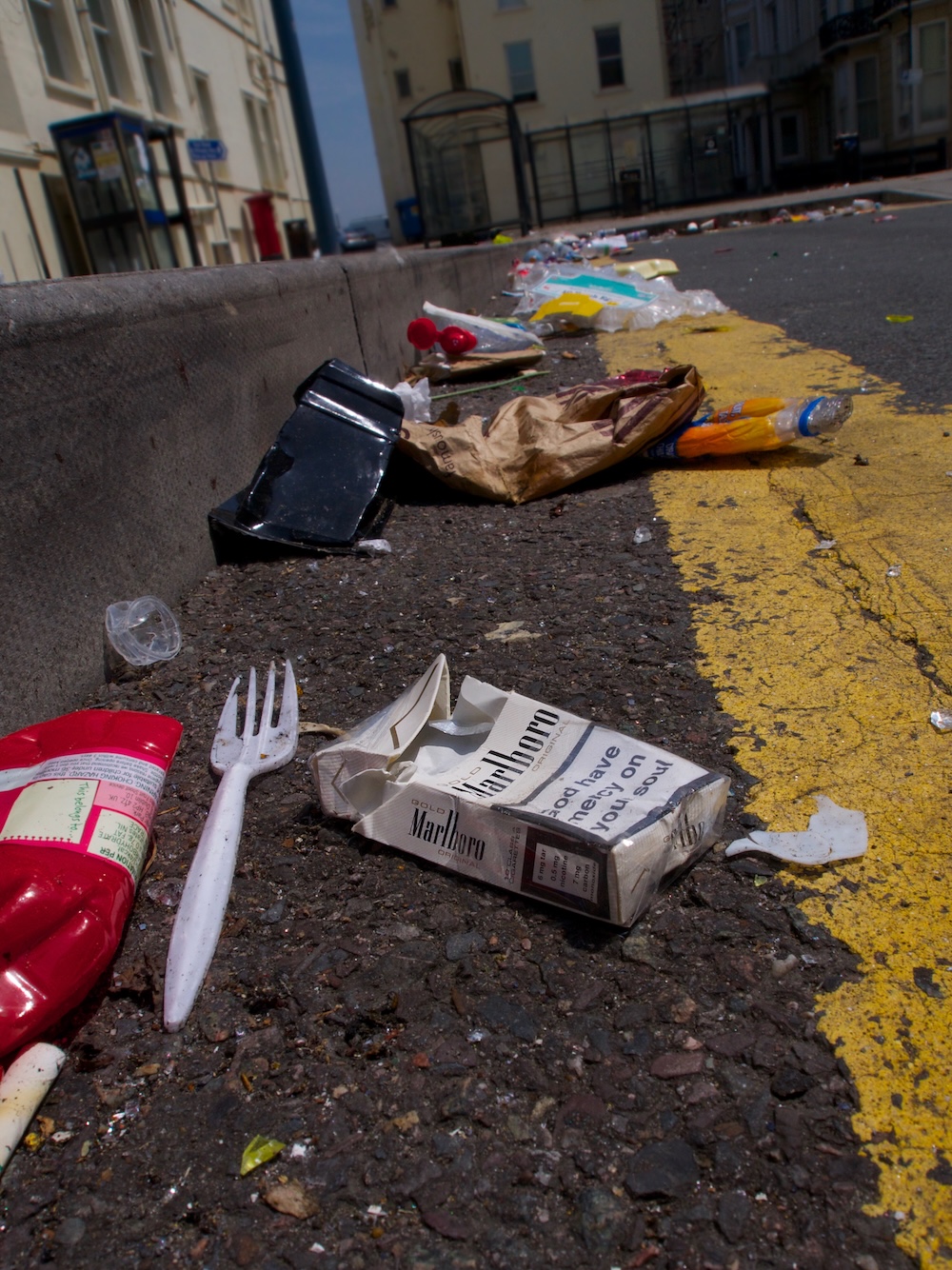
The earliest of these projects explores the psychology of public health messaging, specifically on-pack tobacco warnings. When I started producing my own versions of the messages the official warning on cigarette packs was the undeniably to the point ‘Smoking Kills’. But it had taken a couple of decades for that level of explicitness to be reached (starting out with ‘Smoking Can Damage your Health and progressing through ‘Tobacco Seriously Damages Health’ and increasingly blunter variants. Supplementary messages must also be featured prominently, among which ‘Smoking Can Cause a Slow and Painful Death’ has a certain standout quality. But my guess was that, as with everything over-familiar, these words quickly fail to register and blur into a word pattern. It made me wonder what kind of messaging might really pull people up. Genuinely unsettle them. Maybe I could harness some Old Testament-style fear factor (God Have Mercy on Your Soul being one example), or dark comedy (Die You Bastard, Die). I photographed the crumpled/discarded packs in settings where they would typically be encountered. I originally planned to leave the packs in situ for 24 hours to give them chance of an artistic afterlife; the potential to be ‘discovered’, re-presented on social media. But guessing that they would more than likely be picked up by already troubled individuals, I resisted. I am a conceptual artist with a conscience.
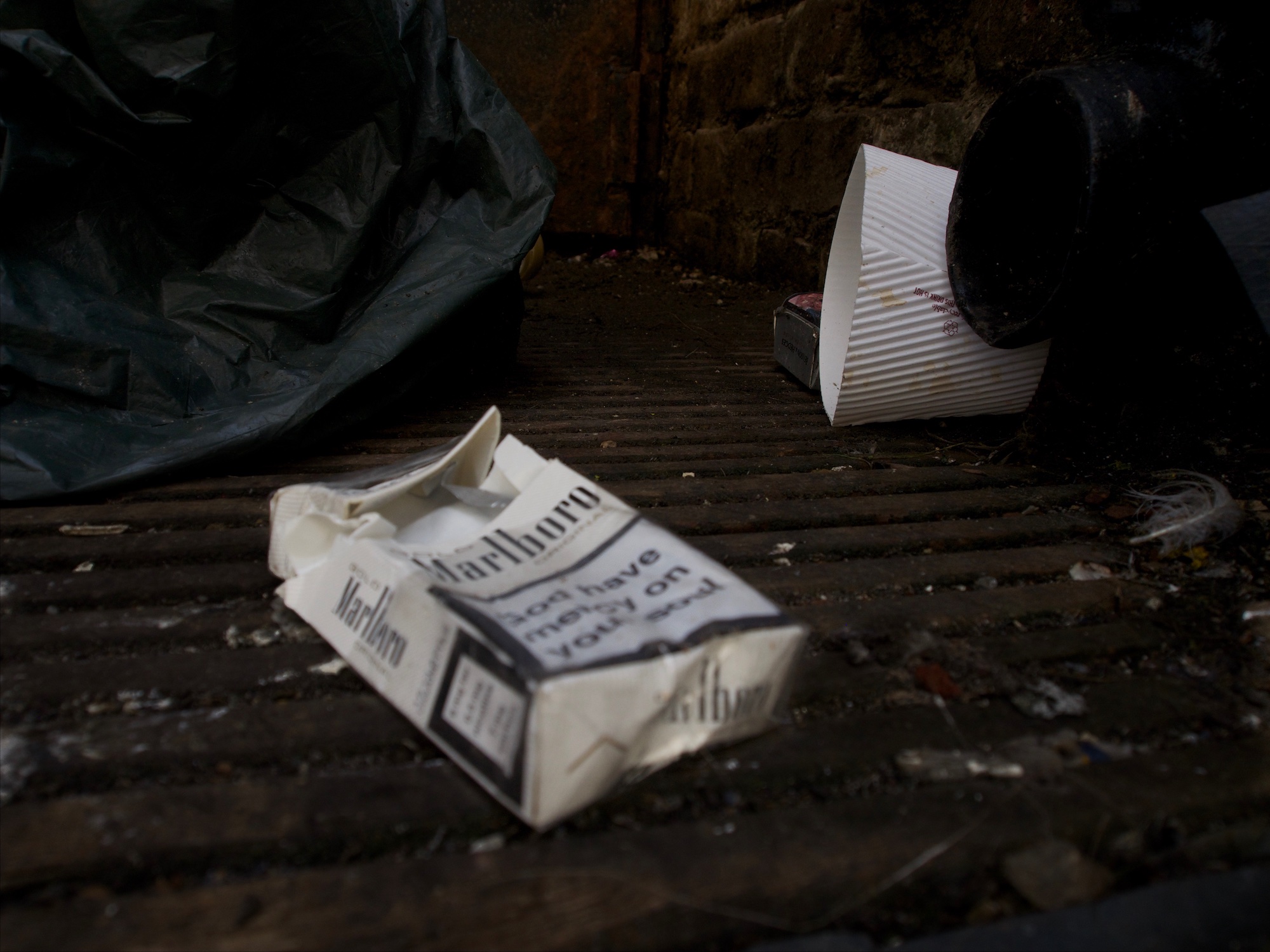
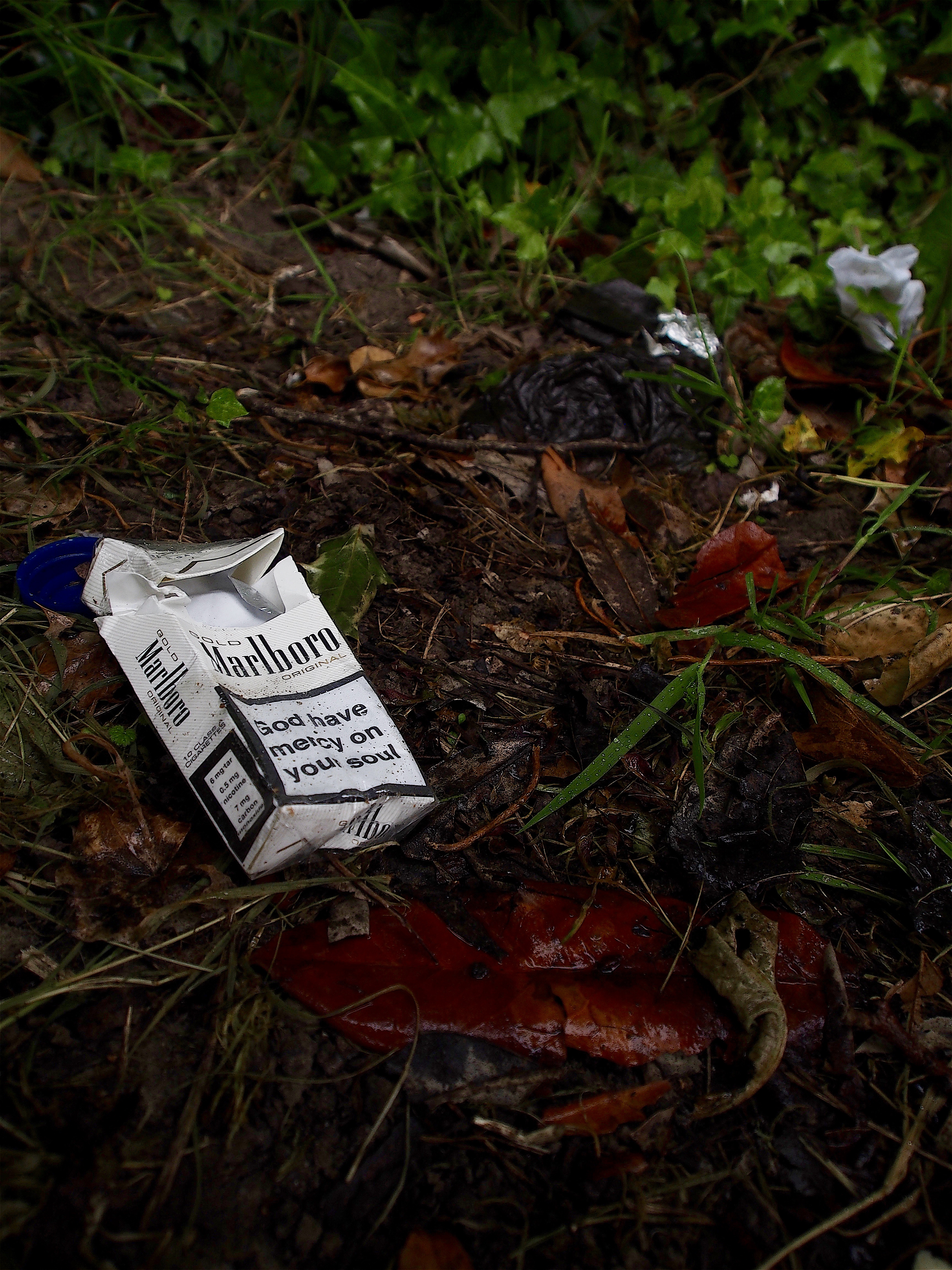
God have mercy on your soul. 2013
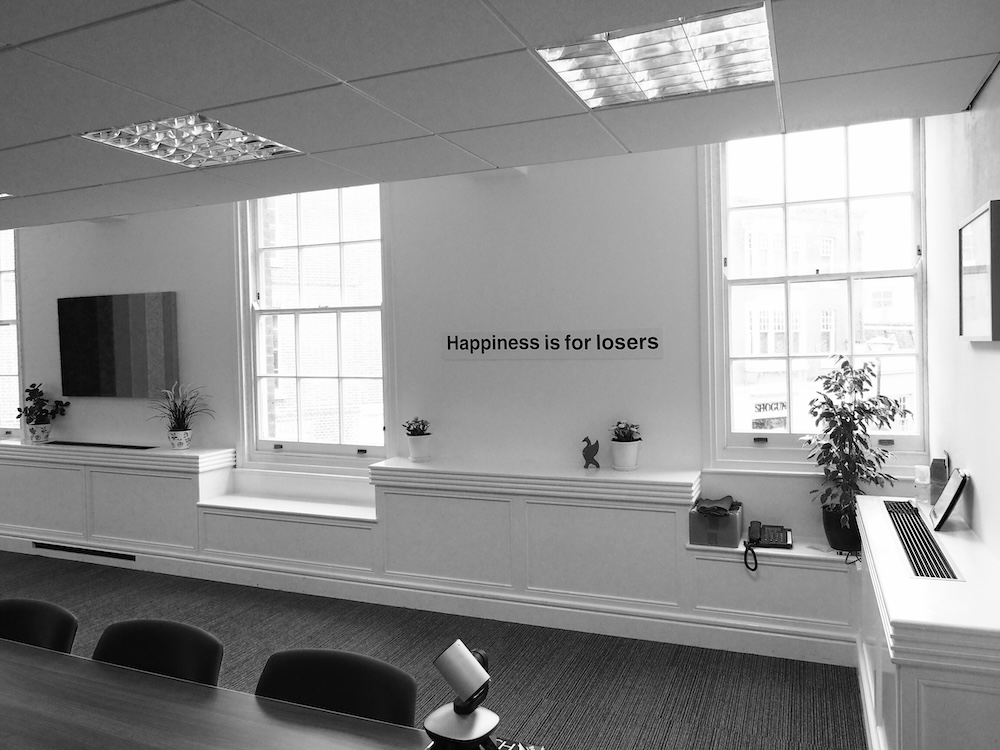
I have spent a lot more time than I would have wished over the years sitting through motivational talks and assorted bonding and culture-building – as in the “company culture” – events. As a journalist covering business issues I’ve also found myself in hundreds of board rooms, conference centres and team break-out areas, where the contorted language of business-speak drained me of life-energy. But there was an art upside to all this: an impulse to re-contort and subtly subvert all those sales mottos, company straplines and mission statements I’d had to endure. HAPPINESS IS FOR LOSERS, which I made in 2016, nudges the machismo of the air-punching mantras of the ‘always-on’, founder-owner business crowd (‘Never retreat. Never explain’, ‘Be reasonable. Ask for the impossible’, that sort of thing) a few notches towards pure nihilism. What I couldn’t have predicted then is the ‘wartime mode’ of working conditions the tech bros now claim as a badge of honour along with their demands of ‘long hours and high-intensity’.

I’m obsessed with literary genres and the opportunistic sub-genres booksellers dream up to signpost customers to ‘hot’ publishing categories – and the way they’re used to flatter and persuade. Over the years I’ve seen genres appear from nowhere, evolve, mutate and die. A case in point in being the explosion of Misery Literature in the mid 2000s. I first encountered this in a branch of WH Smith’s in Tonbridge, where I was staggered to find an entire section of books devoted to ‘Tragic Life Stories’. Wondering if Tonbridge might in some way have a unique appetite for tragedy I later visited the Tunbridge Wells branch of Smiths to find it had almost double the space devoted to books with titles like Mummy Come Home, Cry Silent Tears and A Child Called It. When public interest in other people’s misery began to wane there was an attempt at category reboot – tragic life stories were briefly refashioned into Inspirational Life Stories (Inspi-Lit). Now, the whole thing has just disappeared.
I staged a small Waterstone’s takeover one day during an office lunch break, replacing the the official shelf signs for categories such as Smart Thinking with my own less flattering variants (Clever Dicks, Self-Righteous, Outcasts and so on). I don’t think anyone noticed me doing this, although I like to the think there might briefly have been a cctv record of my performance.
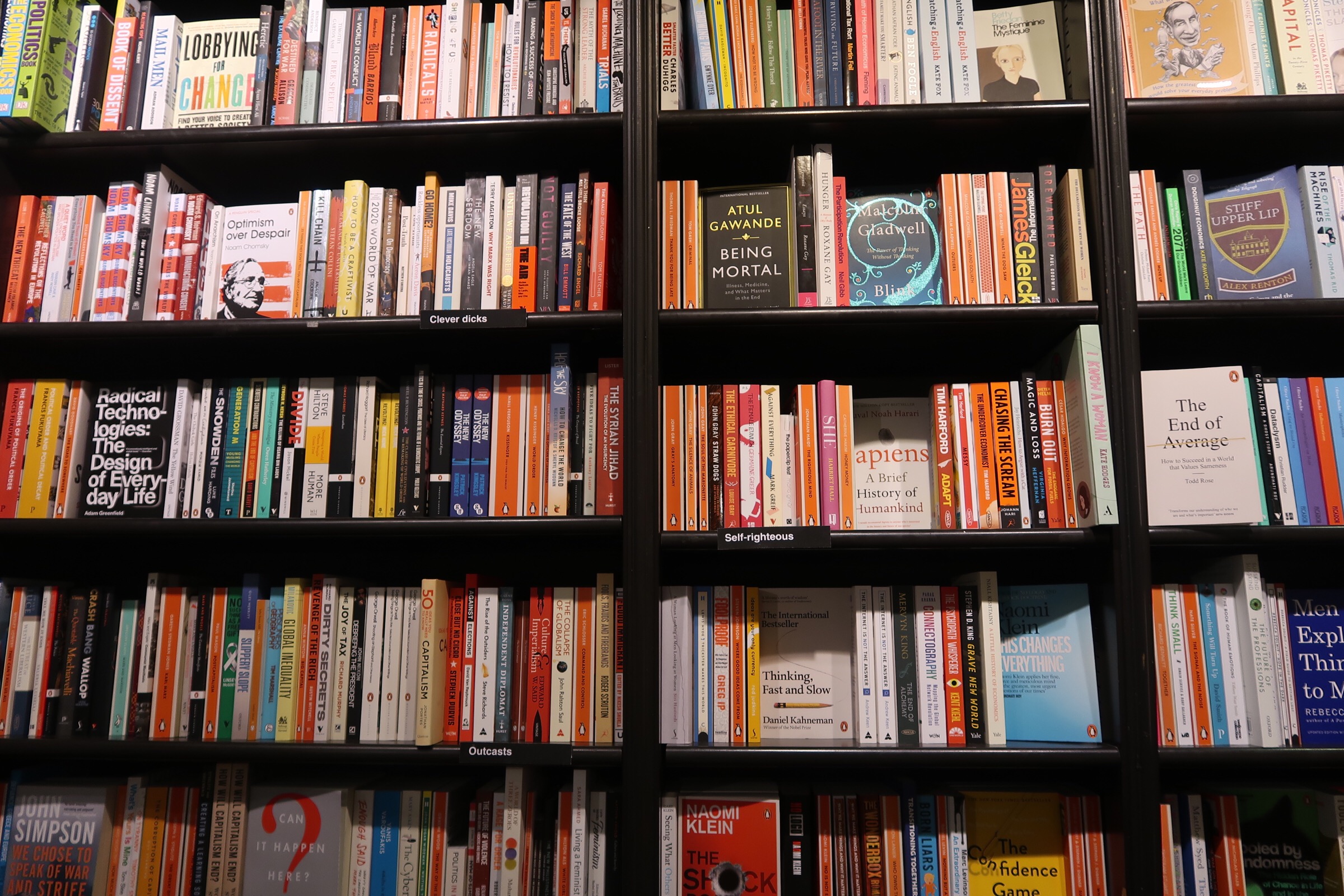
Clever dicks, Self-righteous, Outcasts. 2018
Do NOT Make Art was a one-off piece, a not entirely serious response to official encouragement to take up creative activities during the early stages of the pandemic. Preliminary research suggested home based art and craft activities were associated with higher wellbeing. But people being creatively occupied might also have other benefits for governments – a placatory effect at the population level. What the authorities might be less keen on was people making art that challenged societal systems amid growing demands that the ‘Great Pause’ be seized on as an opportunity to reject the iniquities of late-stage capitalism.
Five years on, in a climate of aggressive arts defunding, political censorship of the arts and attacks on artists, Do NOT Make Art feels like it has a more direct relevance.
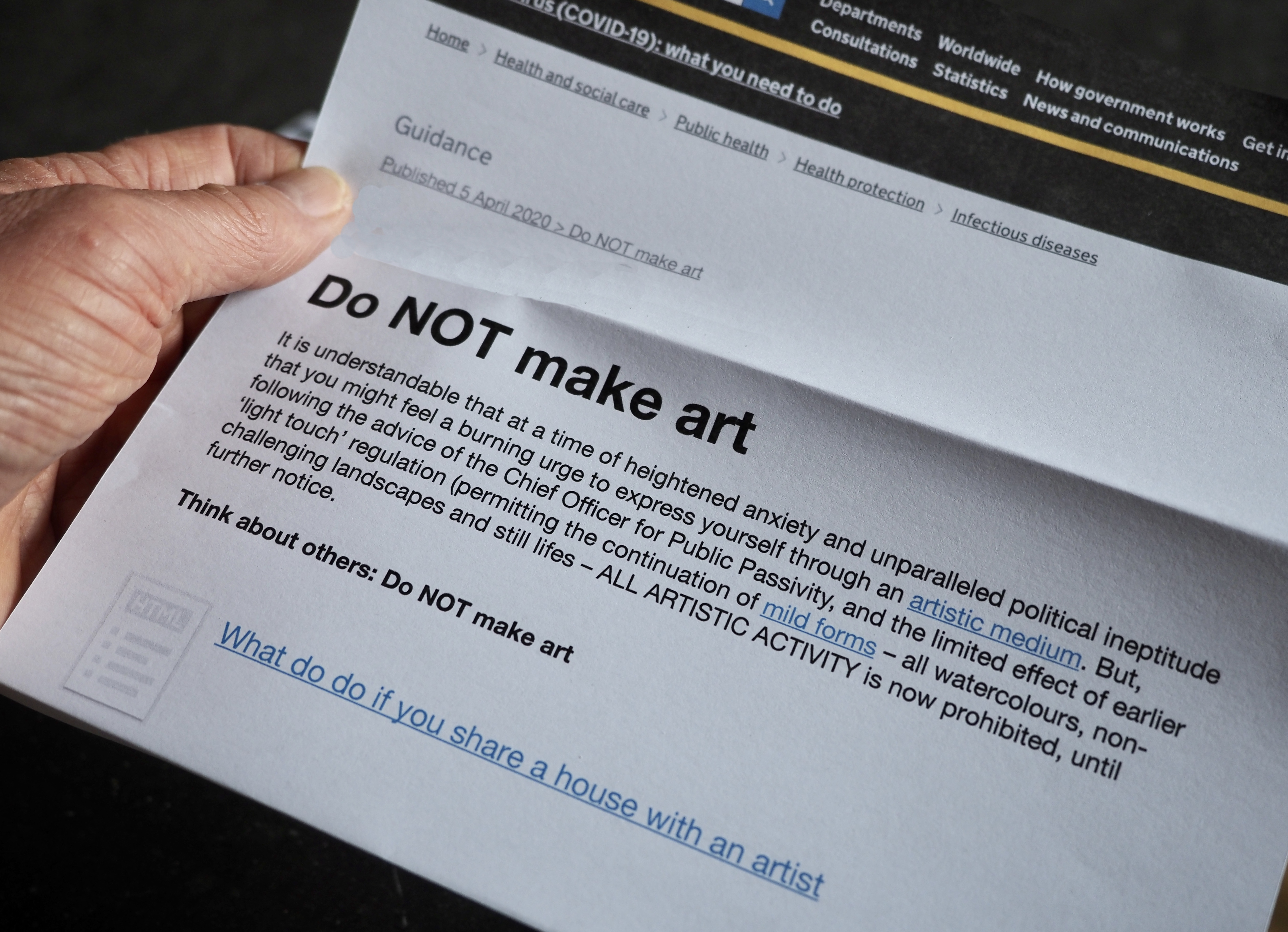
Do NOT make art. 2020
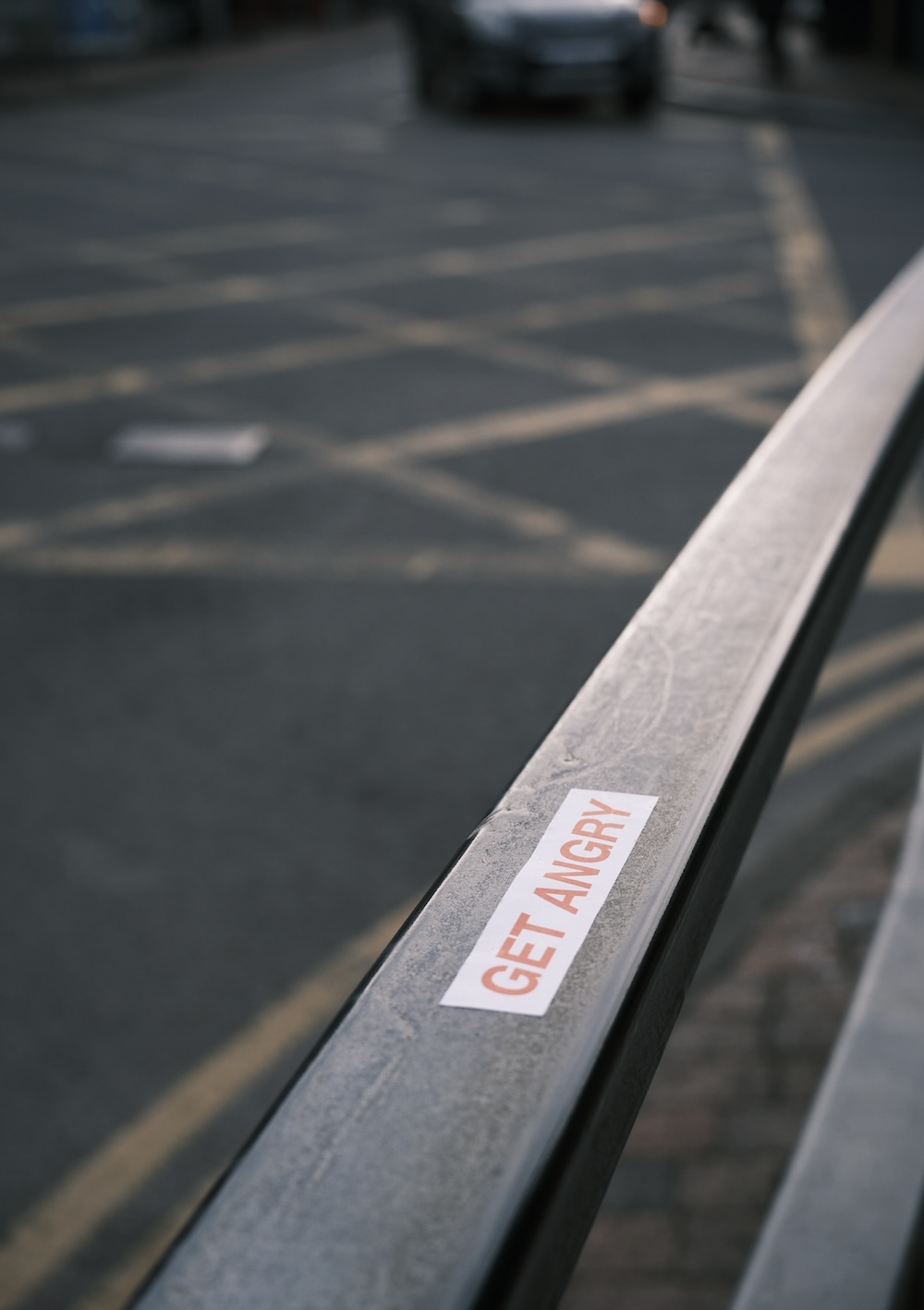
Get angry. 2025
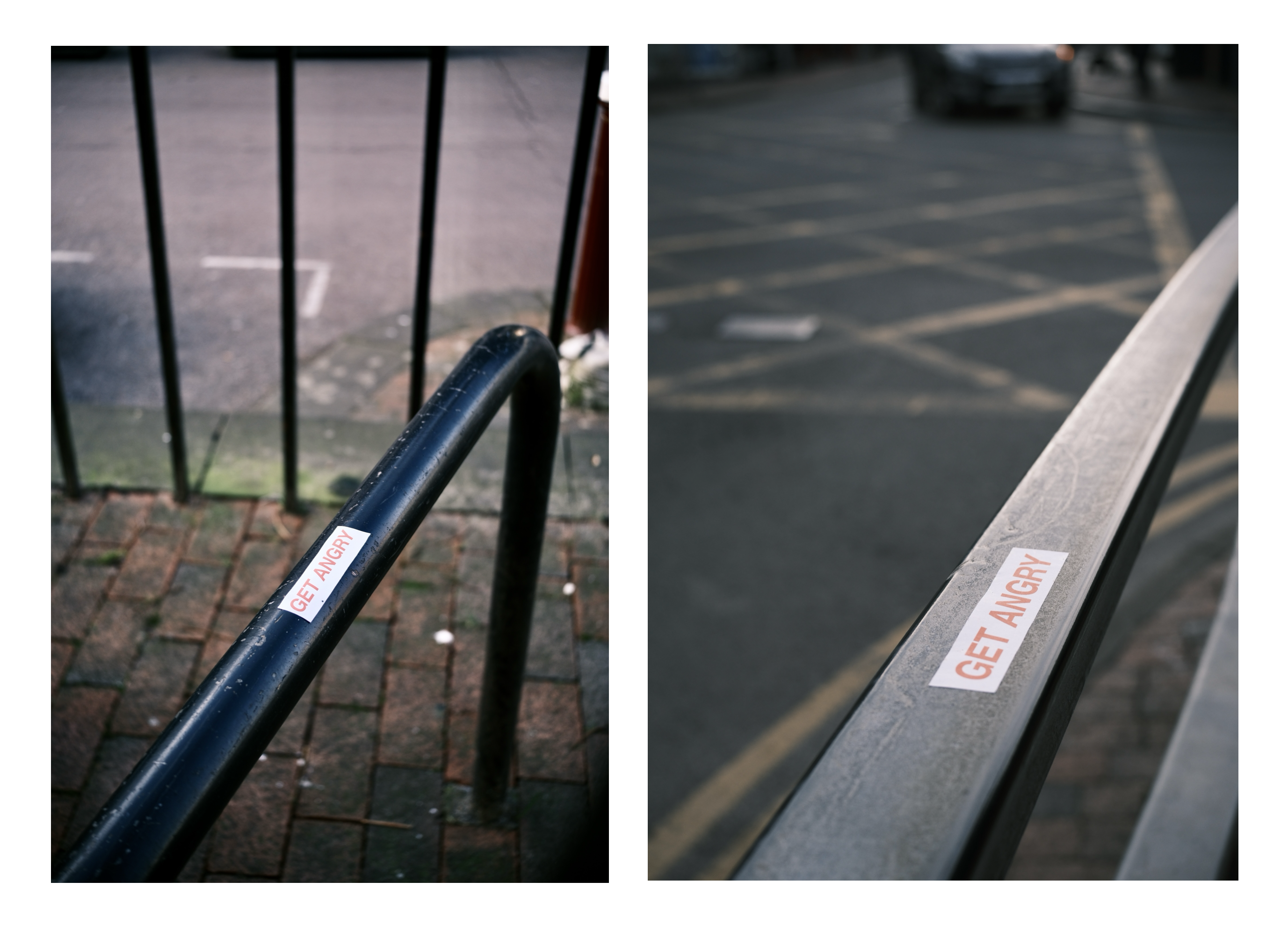
Get angry. 2025
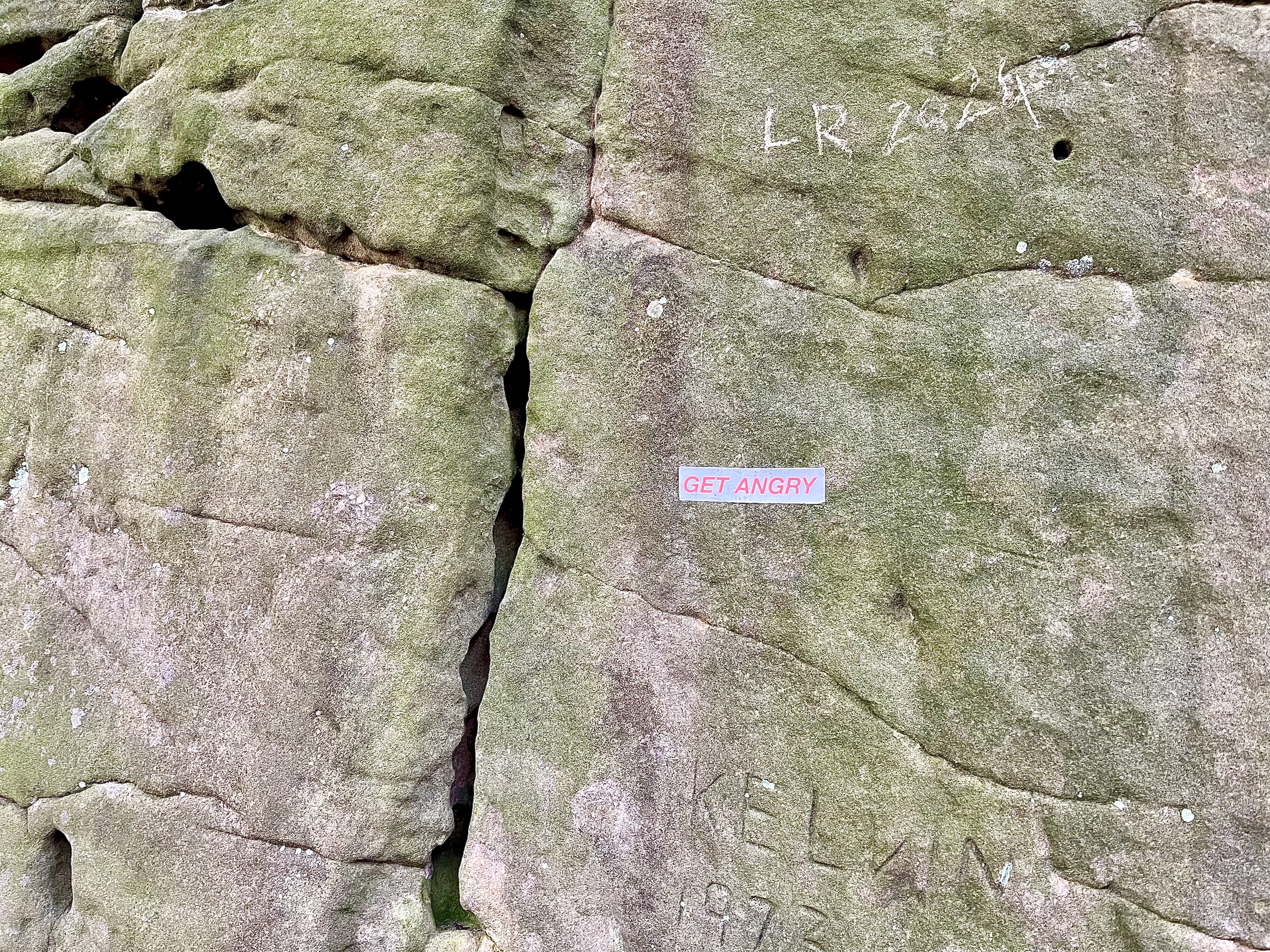
Get angry. 2025
 Jim Manson